Gwenth essays
Gwenth Revenue Essays
Practical guides to finding relevant companies, reaching the right buyers, and keeping sales follow-up connected.
Start Here
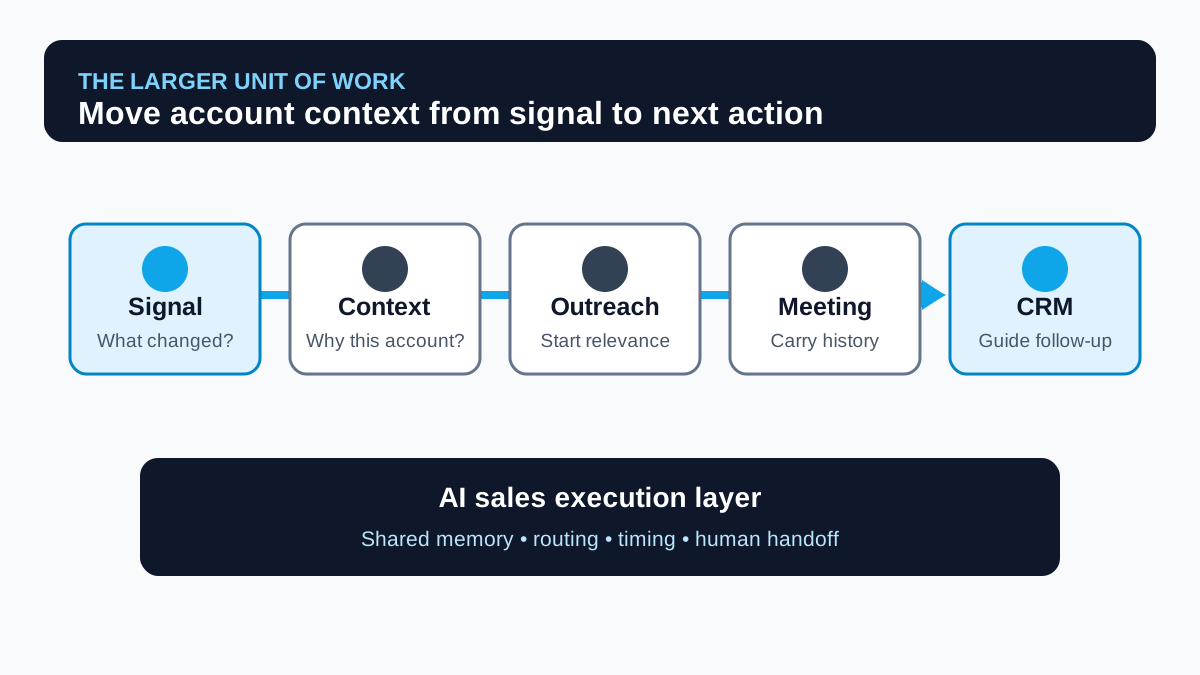
The AI SDR Category Is Too Small
AI SDR tools that only write emails are point products. The real category is an AI sales execution platform that carries context from signal to reply to meeting to CRM follow-up.
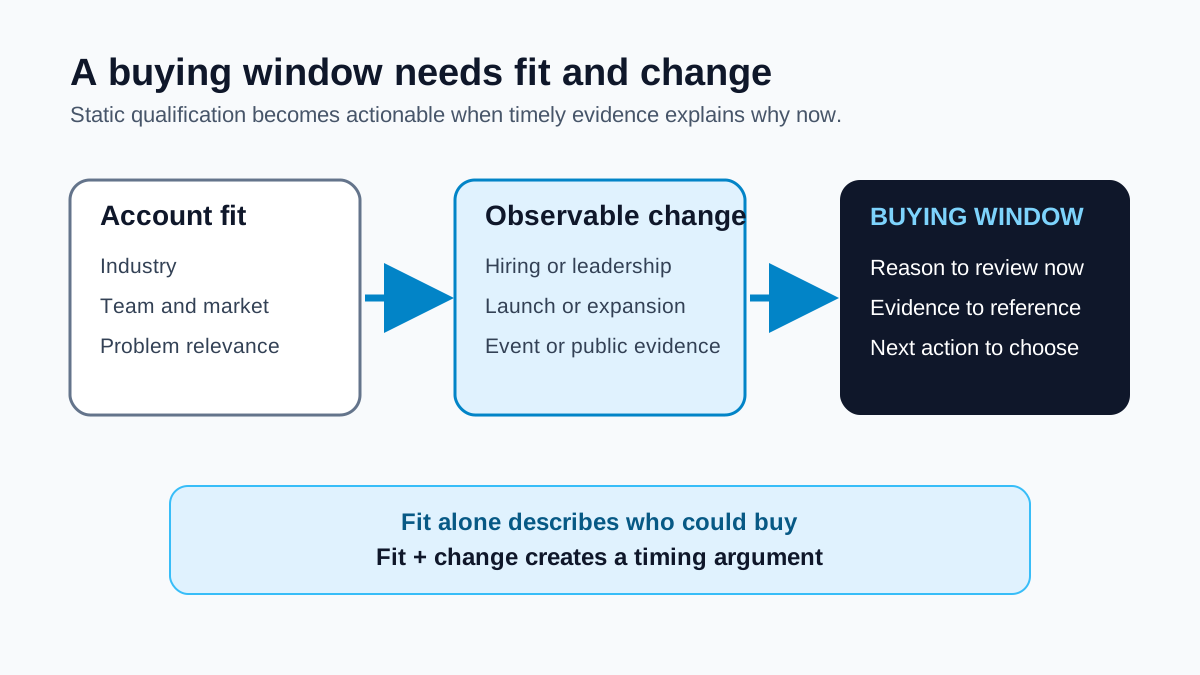
Stop Buying Lead Lists. Start Watching Buying Windows.
Firmographics tell you who could buy. Buying-window intelligence tells you who is changing right now, and why now is the only timing that matters.
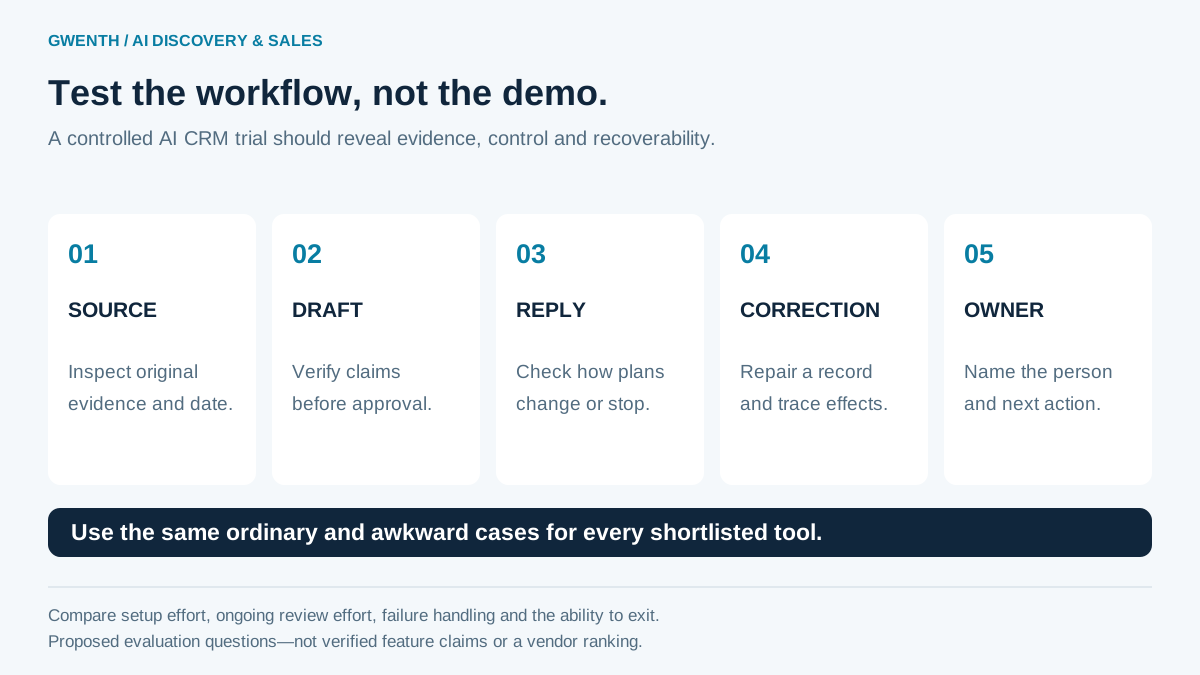
AI CRM Evaluation Checklist for Founders and Lean B2B Teams
A practical AI CRM trial checklist: test company and contact accuracy, relationship history, reply handling, permissions, export, and the real cost of your workflow.
The Sales Series
19 posts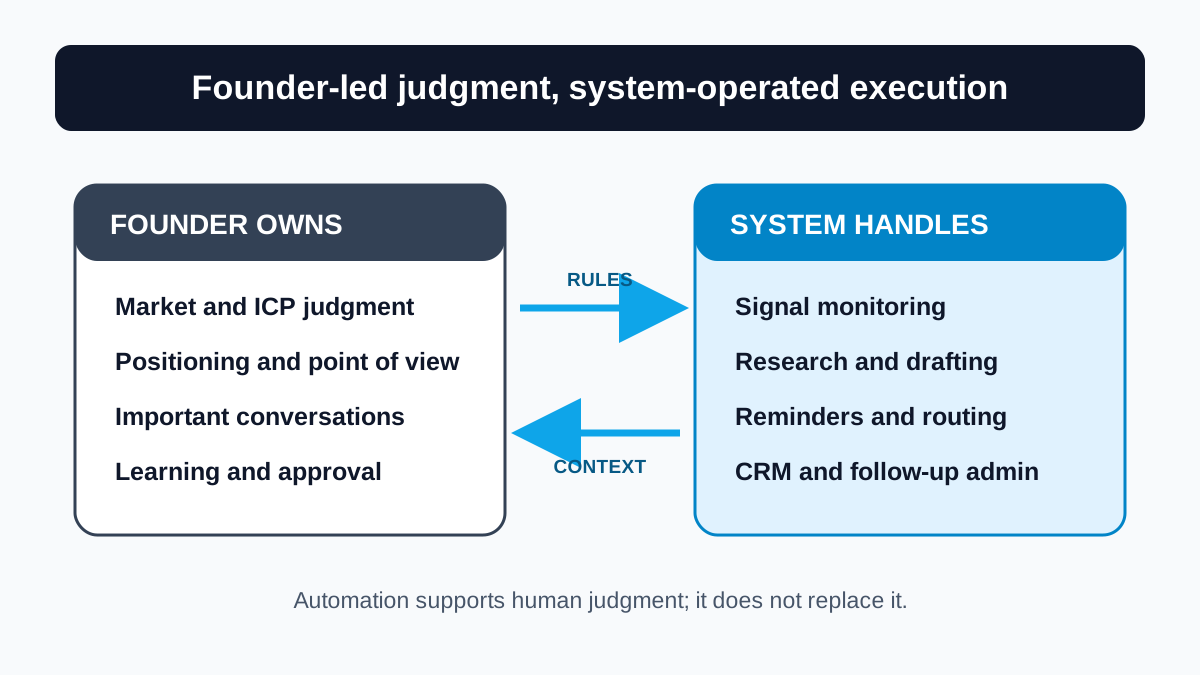
Founder-Led Sales Should Not Mean Founder-Operated Sales
Founders should own judgment, positioning, and the hard calls. They should not spend their best hours copying notes, chasing reminders, and manually stitching tools together.
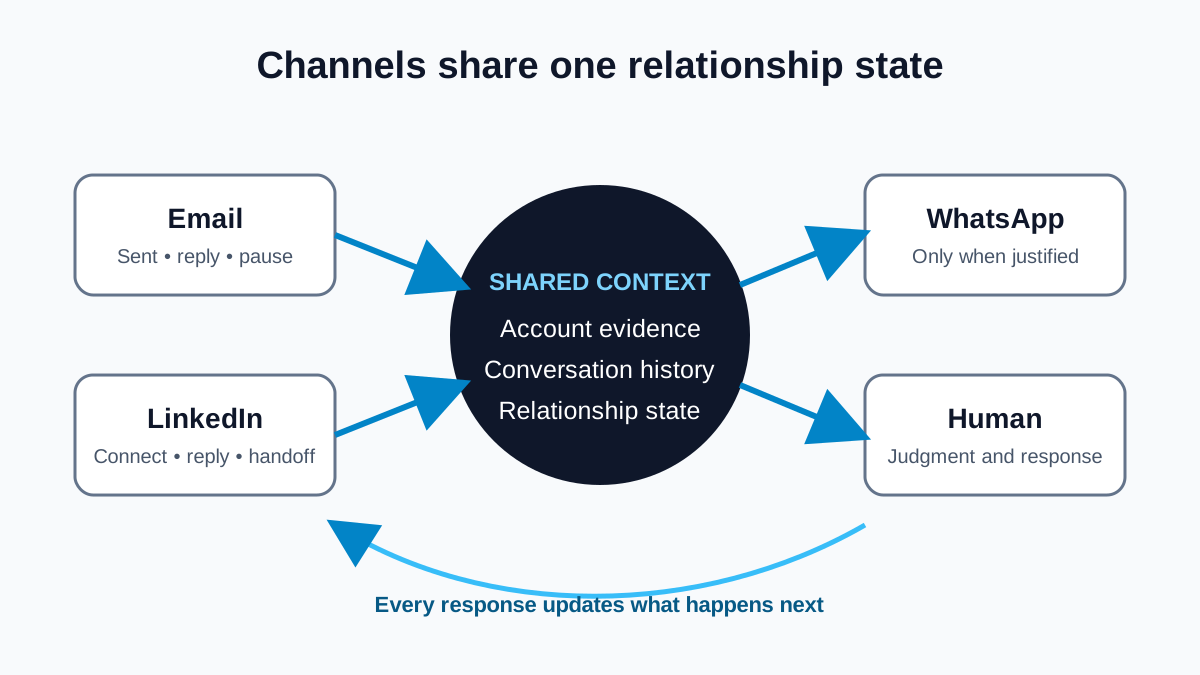
Multi-Channel Outbound Fails When Channels Do Not Share Memory
Email, LinkedIn, and WhatsApp should not be three disconnected campaigns. They should be one relationship workflow with shared memory and reply-aware routing.
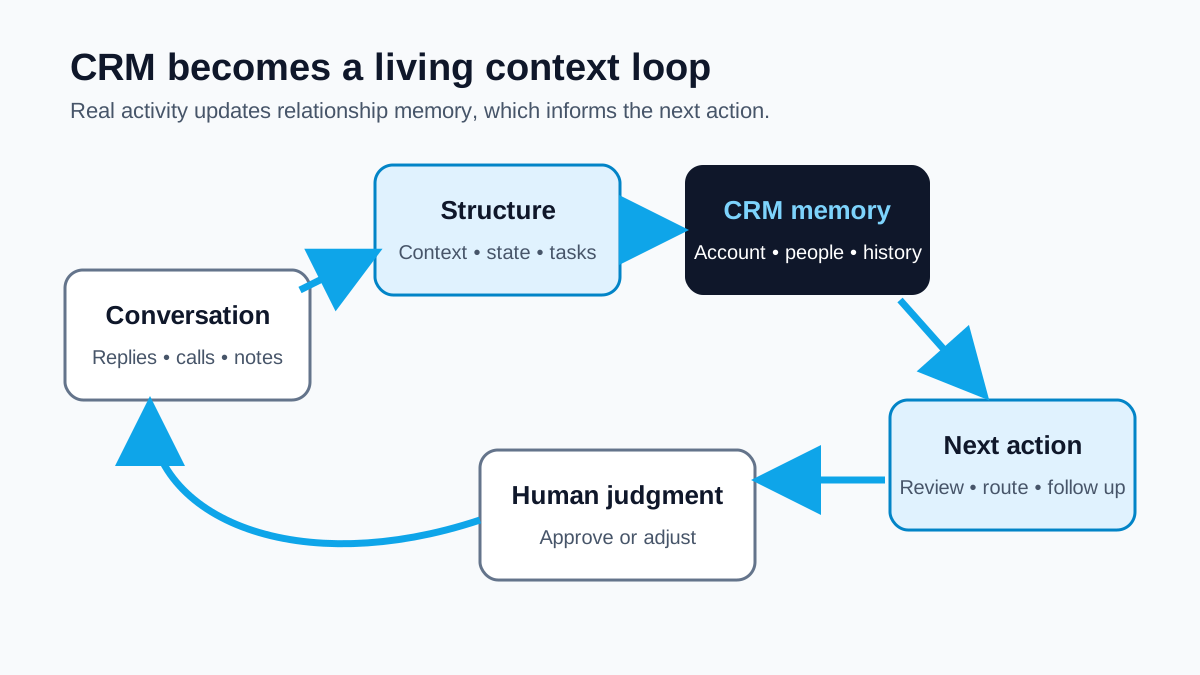
CRM Is Where Deals Go to Be Remembered. Gwenth Is Where They Move.
A CRM that only stores history is not enough. Modern revenue teams need automatic next actions, follow-ups, and relationship memory.
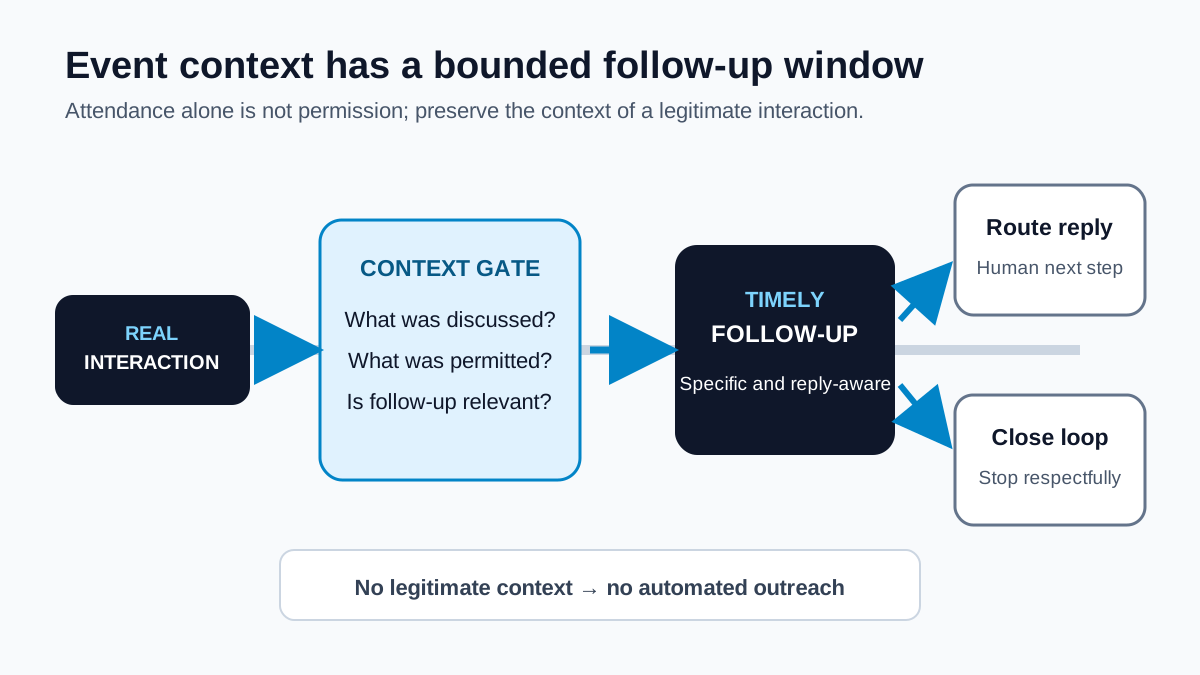
Event Leads Are Not Leads Until the Follow-Up Happens
Events create warm context, but most teams waste it by following up too late, too generically, or not at all.
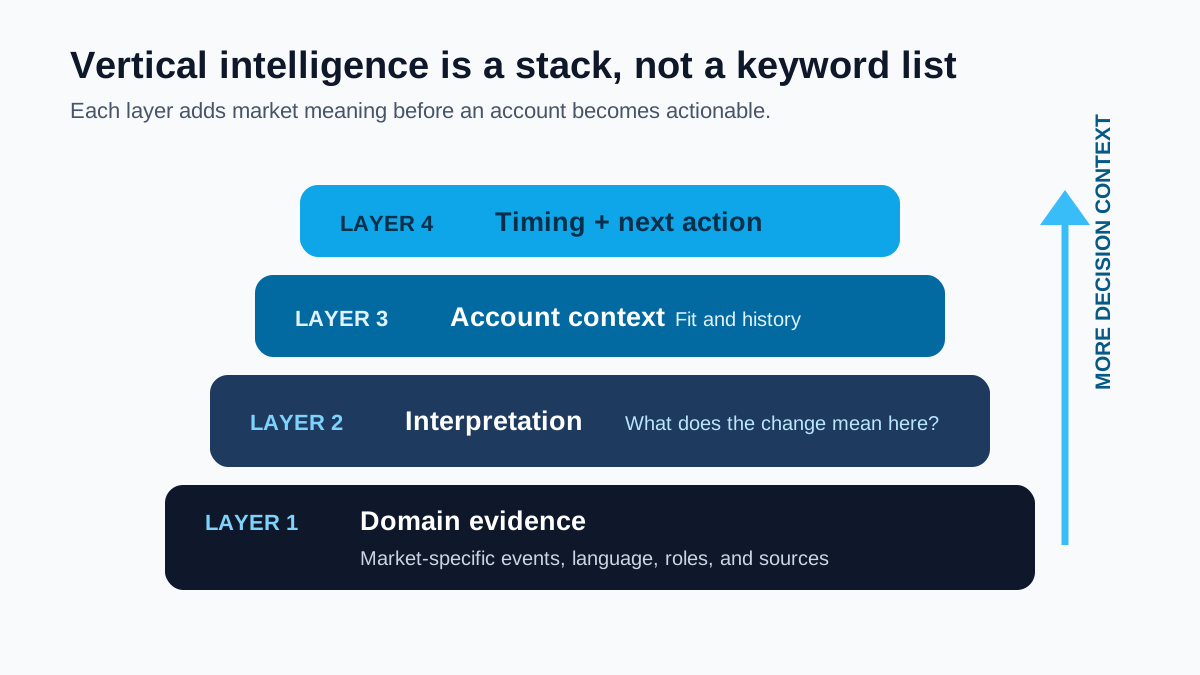
Vertical GTM Will Beat Generic AI Sales Tools
Generic sales tools produce generic timing. Vertical signal intelligence wins because every market has different evidence that a buyer is moving.
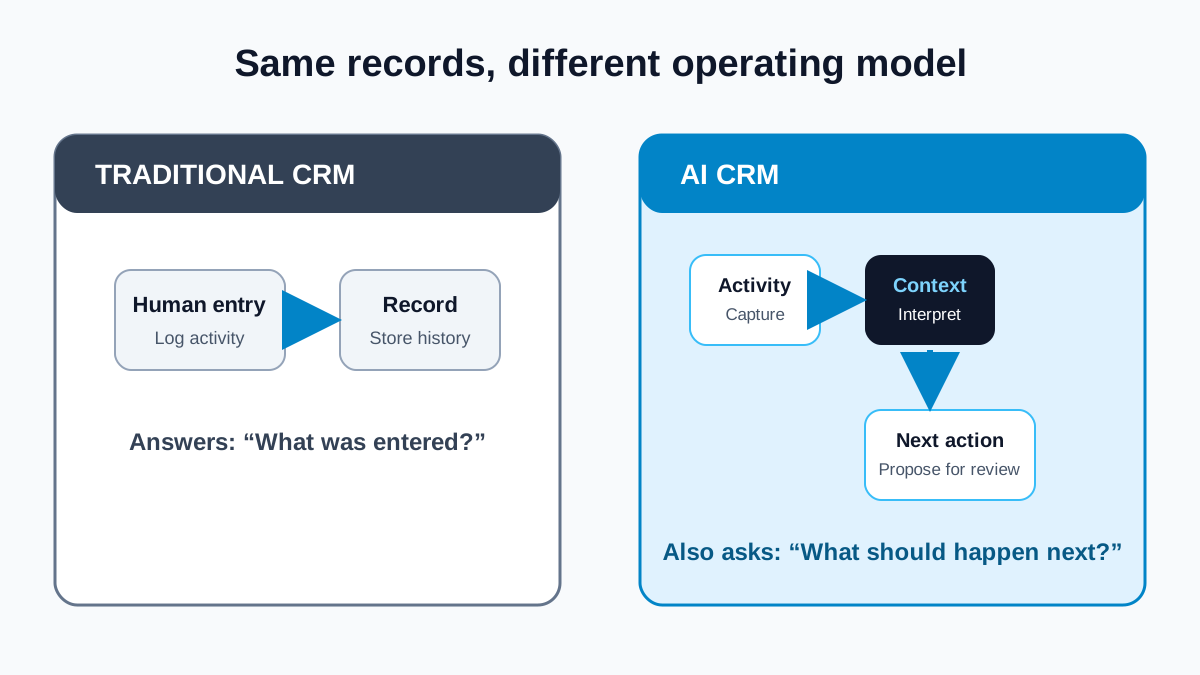
How AI CRM Differs From Traditional CRM
Traditional CRM records what happened. AI CRM should understand what changed, propose the next action, and keep relationship memory alive without manual admin.
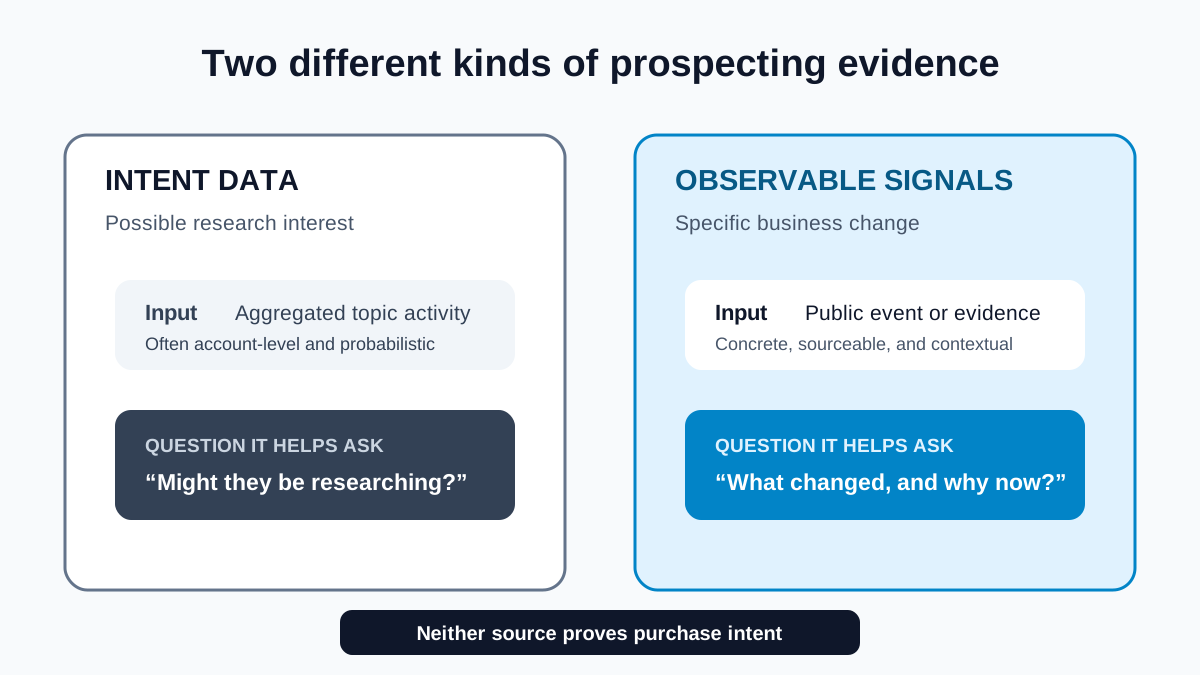
Signal-Based Prospecting vs. Intent Data
Intent data can suggest interest. Signal-based prospecting looks for observable business changes that create a concrete reason to reach out now.
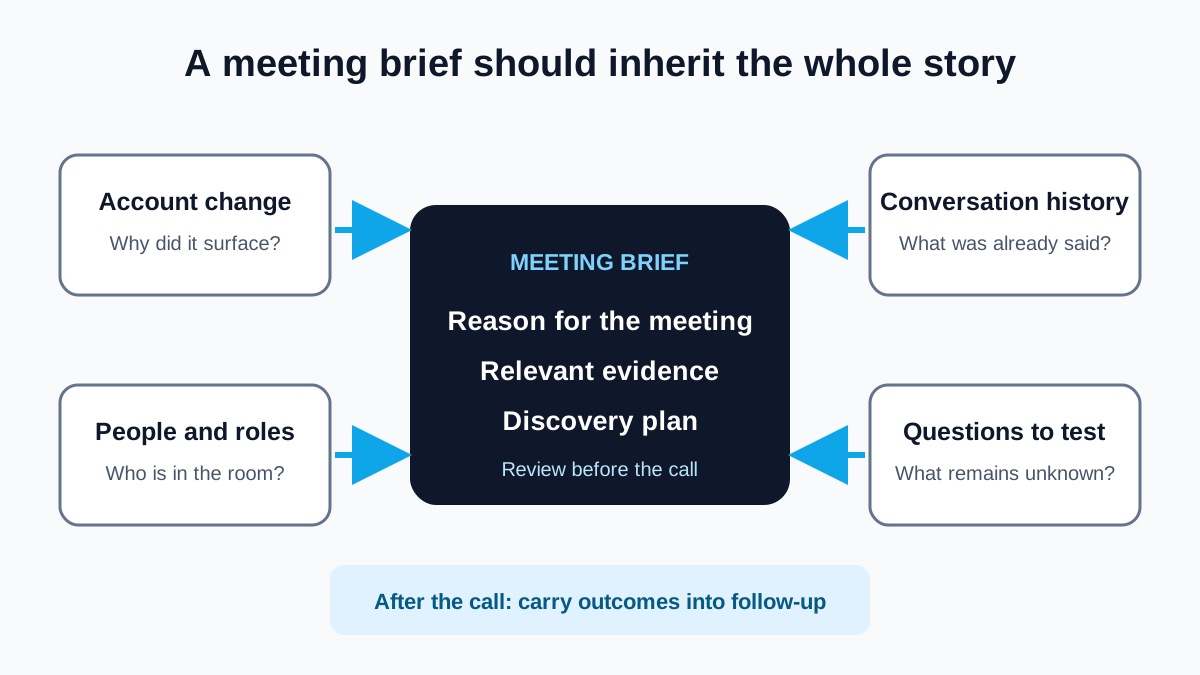
Meeting Prep Should Start With Sales Intelligence, Not a Blank Page
The best meeting brief carries forward the signal, account context, conversation history, likely pains, and follow-up path before the call starts.
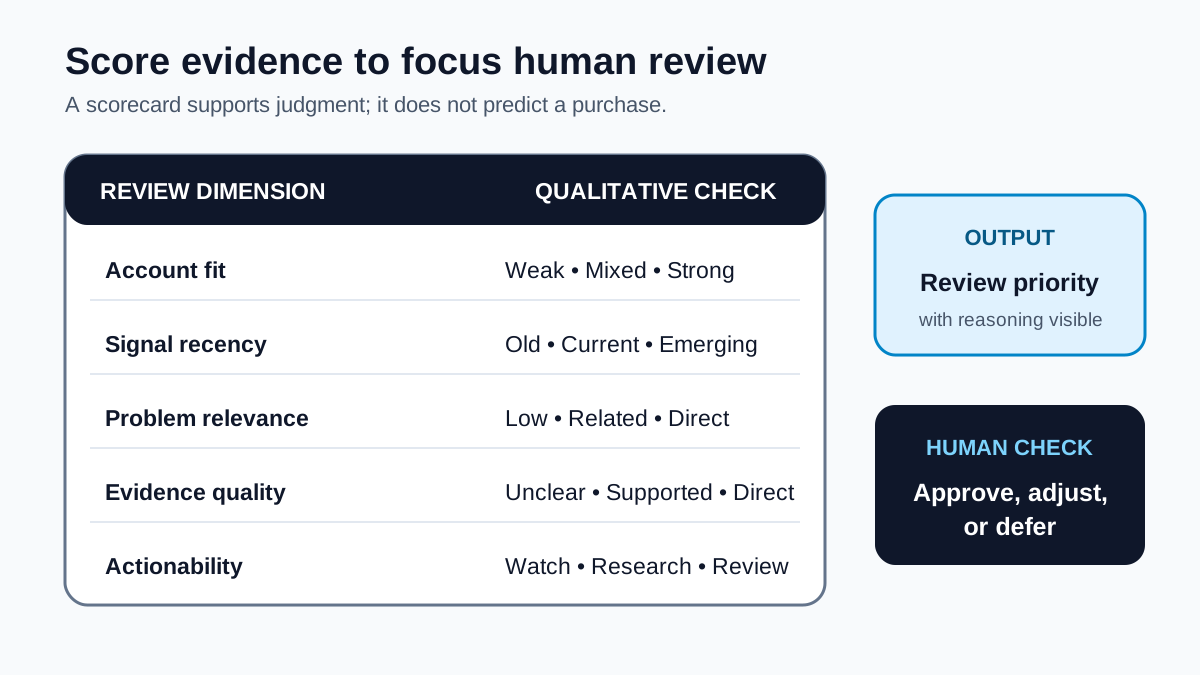
A Practical B2B Buying Signal Scoring Framework
A buying-signal score should make account review more consistent, not pretend to predict who will buy. Use fit, timing, evidence quality, and actionability to decide what deserves a human look next.
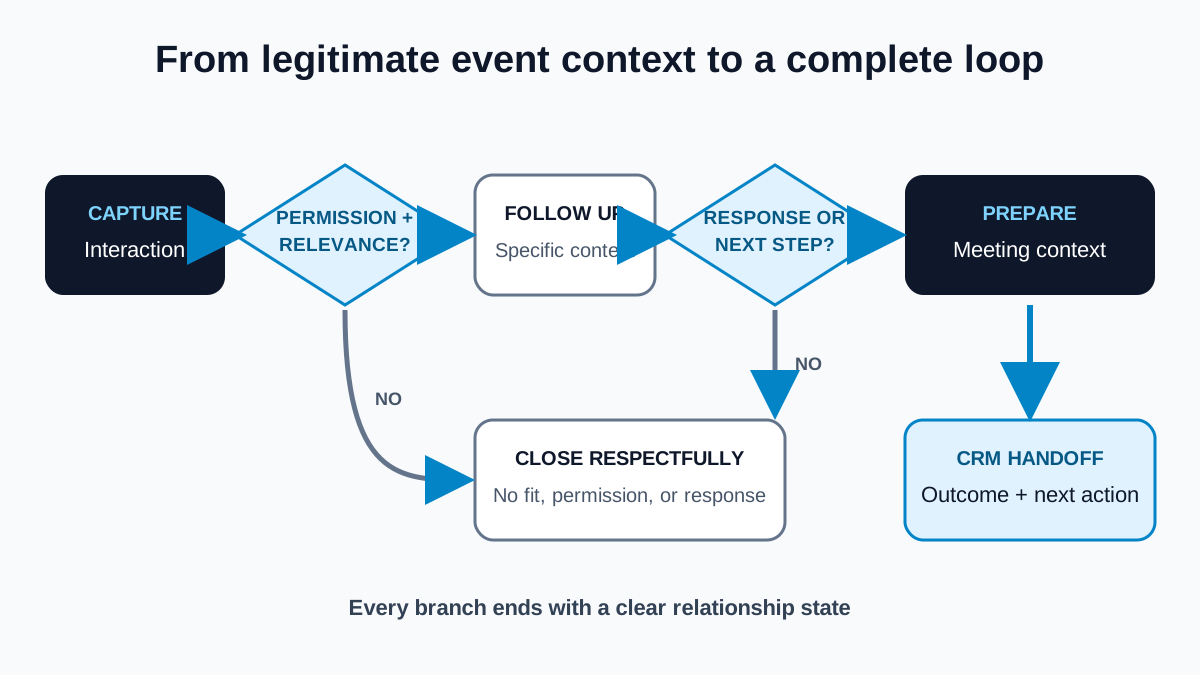
The B2B Event Lead Follow-Up Playbook
A useful event follow-up process preserves the context of real conversations, respects permission and preferences, and closes the CRM loop when no appropriate next step remains.
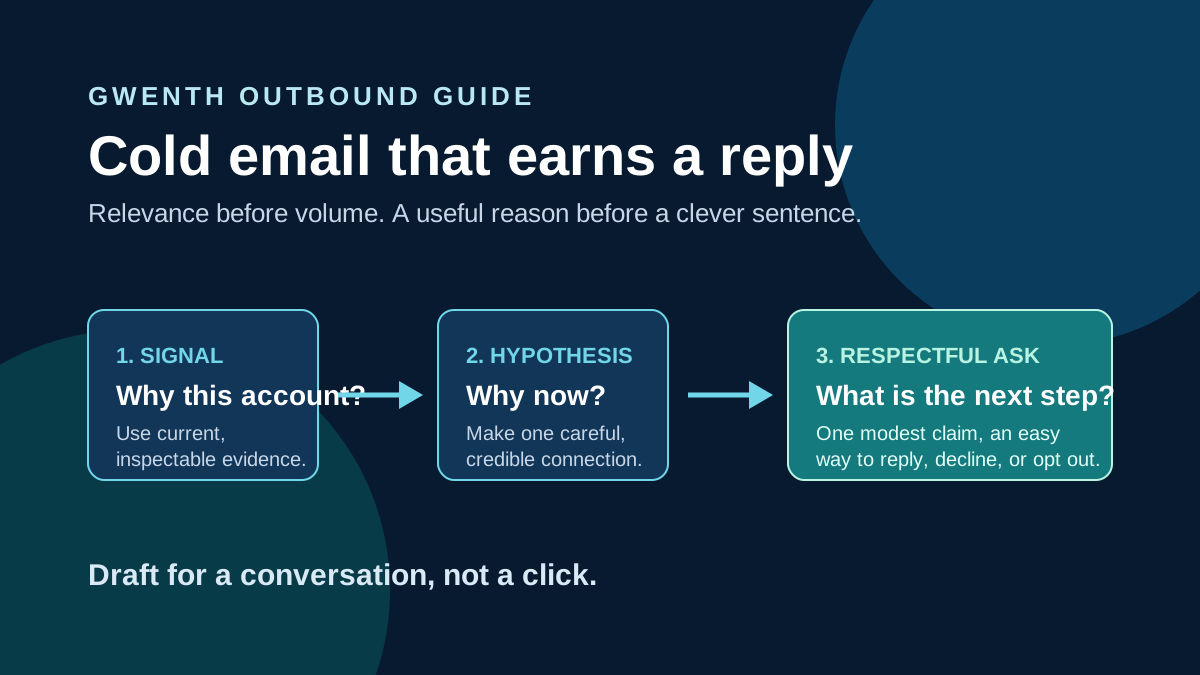
Cold Email Best Practices: How to Write Outreach That Earns Replies
A practical, source-backed guide to drafting relevant B2B cold emails, protecting deliverability, and asking for a useful next step without sounding automated.
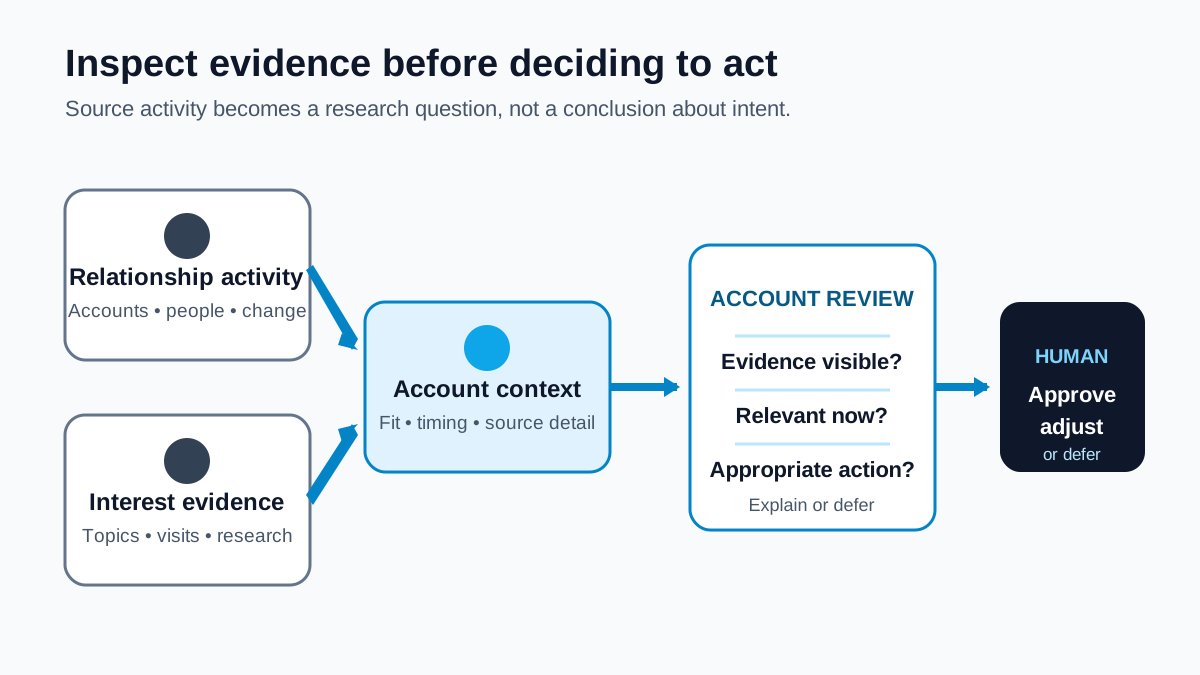
Best Buying Signal Software for B2B Teams (2026)
A practical comparison of buying-signal software categories, their evidence limits, and the human review controls a lean B2B team needs before acting.
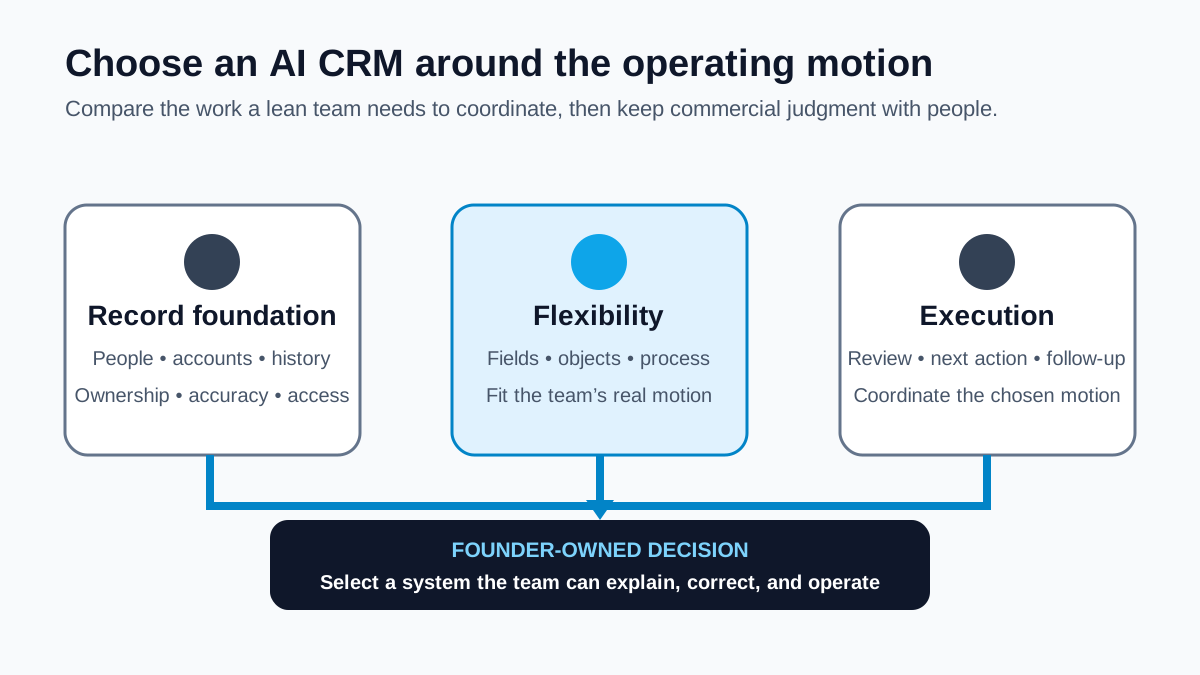
Best AI CRM for Founders and Lean B2B Teams (2026)
A founder-oriented guide to AI CRM options by relationship memory, workflow ownership, data quality, and review controls instead of a simplistic ranking.
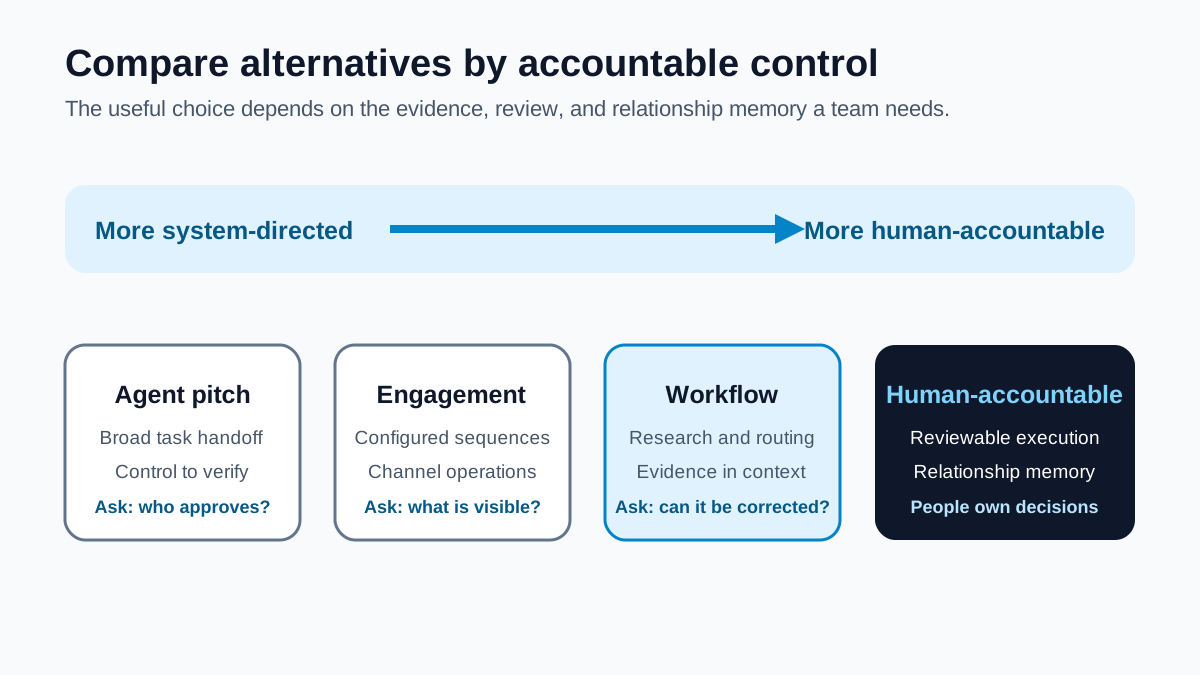
Best AI SDR Alternatives: How to Choose an Execution Model (2026)
A non-ranked guide to alternatives to autonomous AI SDR platforms, comparing agent pitches, engagement platforms, workflow infrastructure, and human-accountable execution.
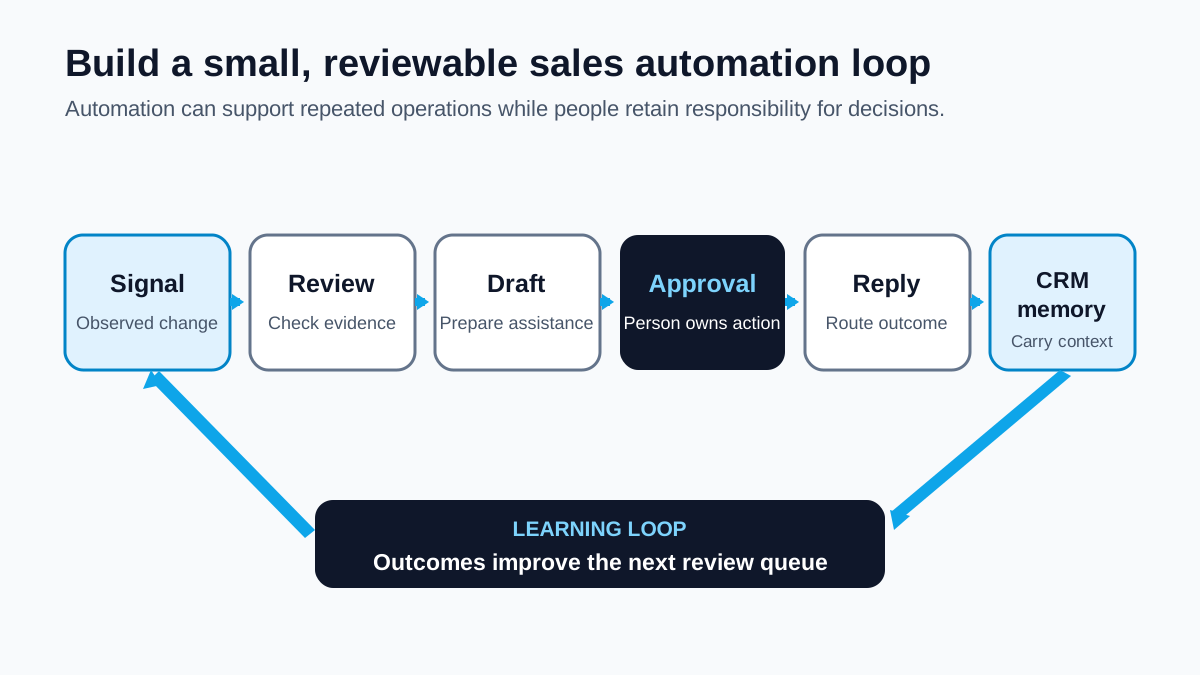
AI Sales Automation Workflow: From Signal to Follow-Up (2026)
A framework for a lean B2B team to automate repeated sales operations while reserving evidence interpretation and buyer decisions for people.
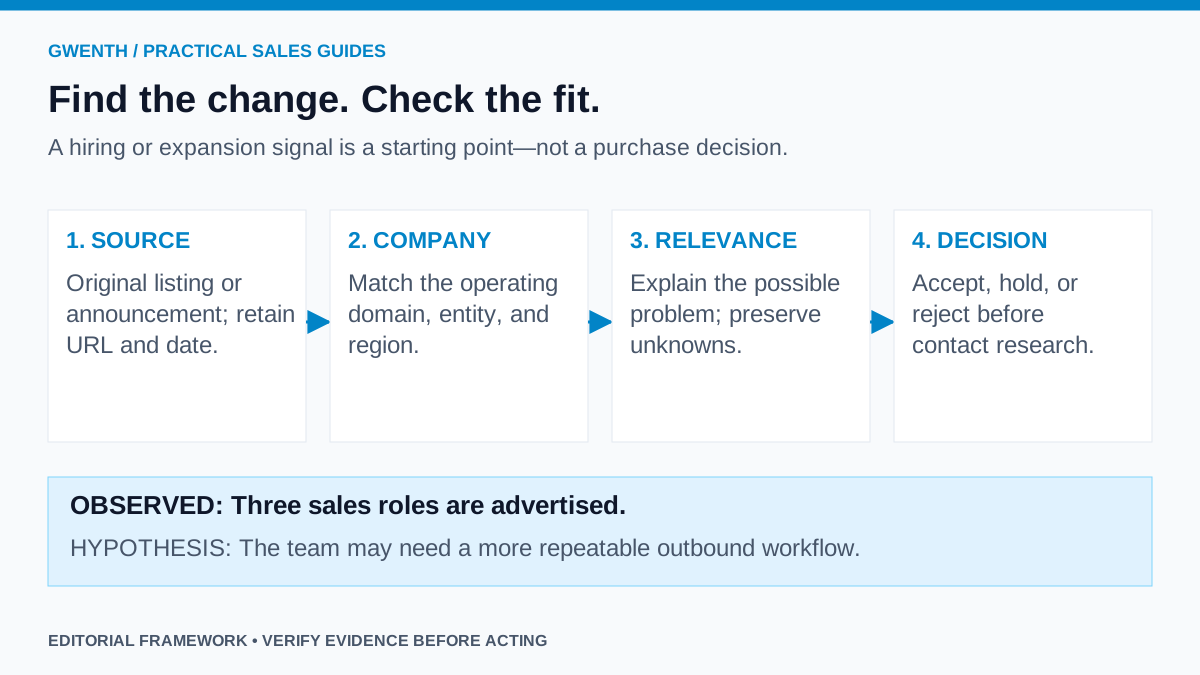
How to Find B2B Companies That Are Hiring or Expanding
A practical prospecting workflow for finding hiring and expansion evidence, checking its relevance, and turning it into a defensible account shortlist.
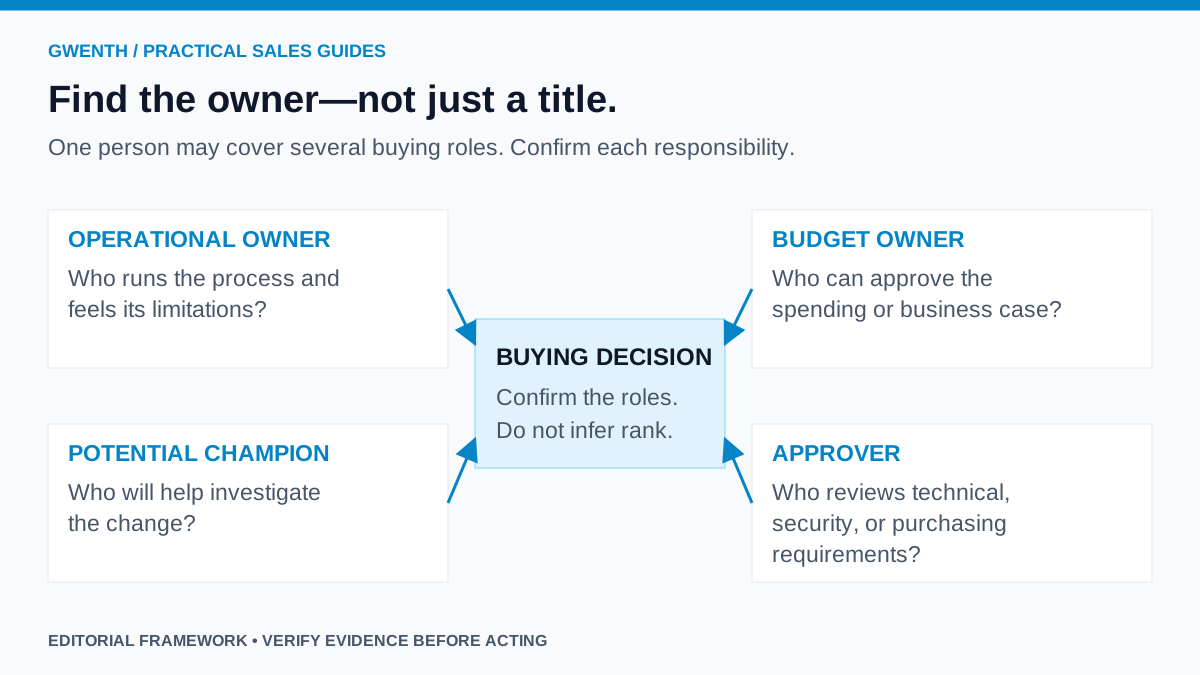
How to Find the Right Decision-Maker for B2B Sales
Find a relevant buying role, verify the person and company, and document why the contact belongs in your account plan instead of defaulting to the CEO.
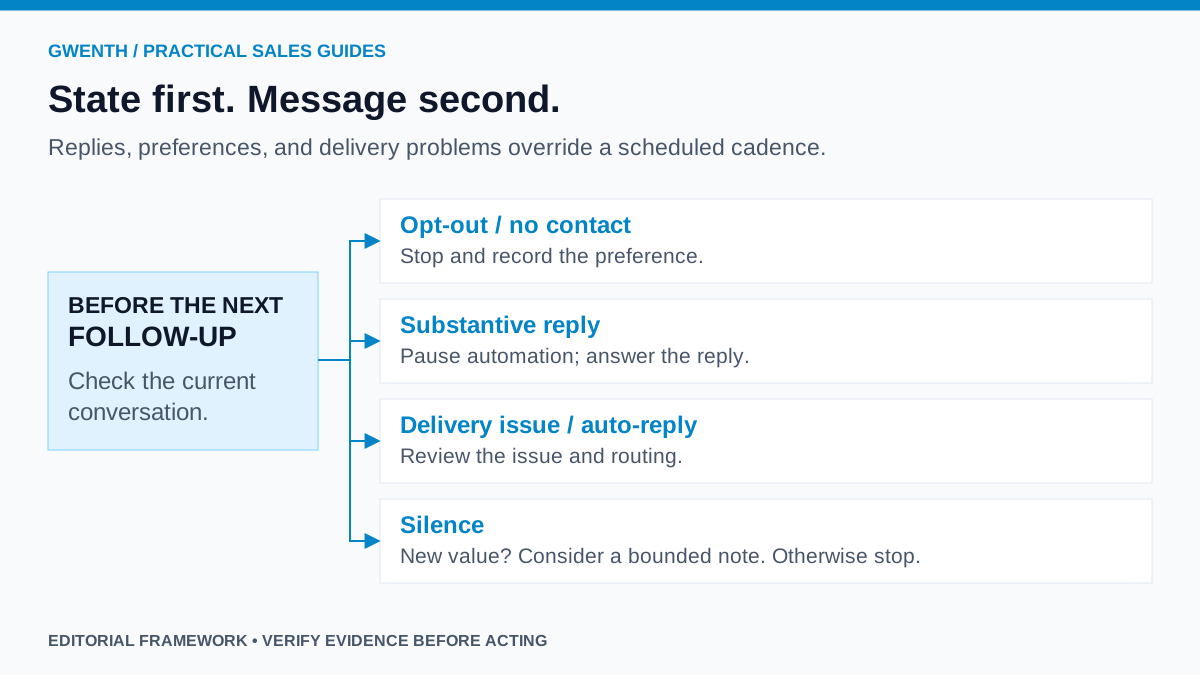
Cold Email Follow-Up After No Response: Examples and Stop Rules
Write useful follow-ups without repeating the same pitch, and define what happens after a reply, objection, opt-out, delivery failure, or continued silence.
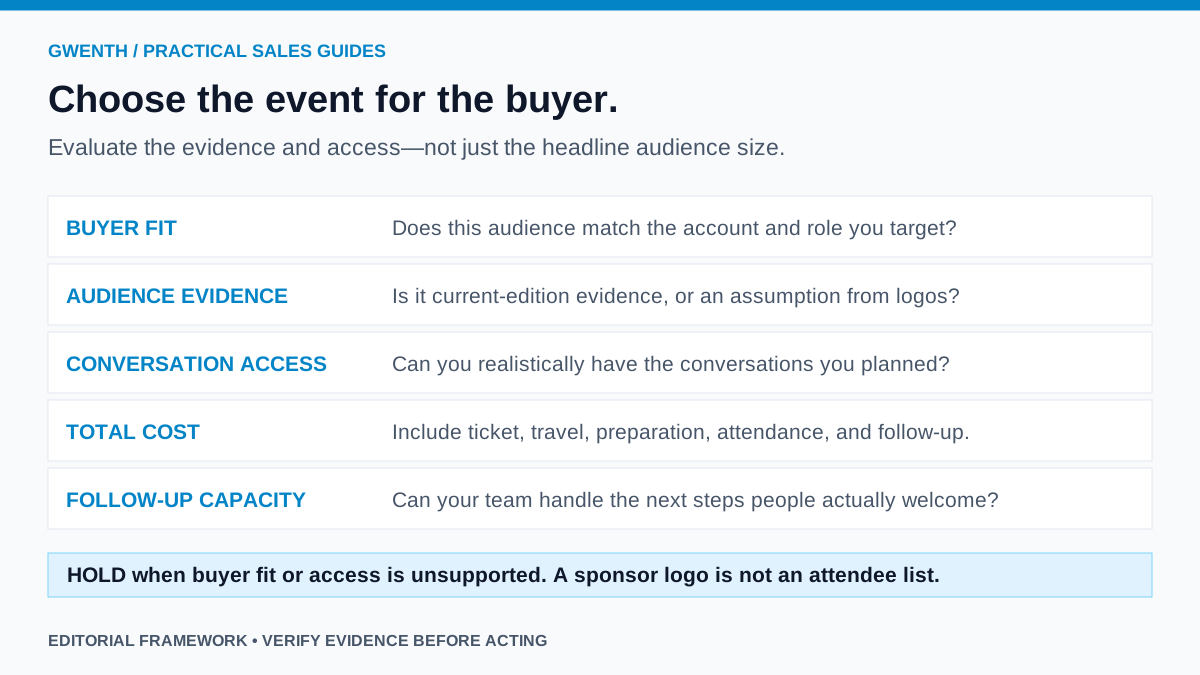
How to Find B2B Events Worth Attending for Sales
Choose conferences and meetups using evidence of buyer fit, access to relevant conversations, and a realistic plan for cost and follow-up.
Research Notes
Our secondary research collection explores AI-mediated software discovery. These articles remain available separately from the practical sales guides.